 Login
Login


Brisbane's Top 10 Surge Suburbs Pre-Olympics
Explore Brisbane's top 10 surge suburbs ahead of the 2032 Olympics, highlighting key infrastructure upgrades, growth drivers, and investment hotspots poised for strong pre-Olympic property gains.
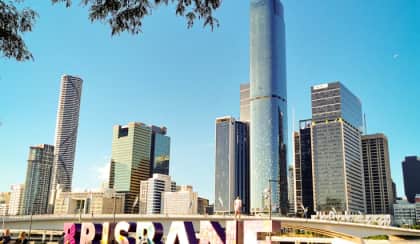
As Brisbane accelerates toward hosting the 2032 Olympic and Paralympic Games, the city’s property landscape is entering a transformative phase. Infrastructure commitments, transport upgrades, urban renewal precincts, and global attention are converging to create once-in-a-generation growth conditions. For buyers and investors looking to position themselves strategically, there is an opportunity to invest in Brisbane’s best suburbs by analysing supply pipelines, transport connectivity, demographic shifts, and government spending corridors.
The Queensland Government’s infrastructure program, combined with federal backing, is reshaping key pockets across Queensland. As the capital of Australia’s fastest-growing state, Brisbane is benefiting from interstate migration, affordability advantages over Sydney and Melbourne, and a strengthening employment base. With the Olympics acting as a catalyst rather than the sole driver, certain suburbs are poised to surge ahead of the broader market.
Here are ten suburbs showing strong pre-Olympic momentum.
1. Woolloongabba
Woolloongabba sits at the epicentre of Olympic transformation. The historic Gabba stadium is slated for a major redevelopment, positioning the suburb as a global broadcast focal point in 2032. Beyond sport, the Cross River Rail station, upgraded public realm, and high-density residential pipeline are reshaping the precinct into a true inner-city lifestyle hub. Proximity to the CBD, South Bank, and major hospitals further strengthens long-term demand fundamentals.
2. Hamilton
Hamilton has evolved from a riverside industrial pocket into one of Brisbane’s premier lifestyle precincts. Portside Wharf, Racecourse Road dining, and Northshore redevelopment continue to elevate the area’s prestige. With proposed athlete village infrastructure and ongoing riverfront activation, Hamilton combines blue-chip housing with apartment growth potential. Its connectivity to the airport and CBD enhances its appeal to executive tenants and downsizers alike.
3. Chermside
Chermside is emerging as Brisbane’s northern metropolitan hub. Anchored by Westfield Chermside and major health facilities, the suburb benefits from sustained medium- and high-density development. Infrastructure upgrades tied to transport corridors and bus rapid transit reinforce its accessibility. Investors are attracted to strong rental yields, while owner-occupiers value its employment concentration and retail amenity.
4. Everton Park
Everton Park offers a compelling blend of gentrification and affordability. Located roughly 8km from the CBD, it has seen a steady uplift in café culture, boutique retail, and renovated post-war housing. As inner-ring prices push outward, demand is flowing into suburbs like Everton Park that still offer detached homes on generous blocks. Limited new land supply adds upward pressure to long-term values.
5. Coorparoo
Coorparoo continues to attract professionals seeking proximity to the CBD without inner-city density. Strong public transport links, reputable schools, and lifestyle amenity support consistent capital growth. Olympic-related investment in nearby Woolloongabba may have positive spillover effects, particularly for renovated Queenslanders and boutique apartment developments catering to downsizers.
6. Albion
Albion is undergoing significant urban renewal. Once known primarily for light industry, it is transforming into a mixed-use residential and lifestyle enclave. Its strategic location between the CBD and Brisbane Airport, along with rail access, makes it attractive to young professionals. As supply tightens across the inner north, Albion’s character homes and warehouse conversions are drawing renewed interest.
7. Nundah
Nundah has quietly matured into a vibrant village precinct. Strong rail connectivity, proximity to the airport, and ongoing apartment construction have bolstered its profile. With demand for well-located, comparatively affordable suburbs increasing, Nundah stands to benefit from continued population inflows. The suburb’s mix of character homes and modern units creates diverse entry points for buyers.
8. Salisbury
Salisbury is gaining attention for its accessibility and value proposition. Positioned along key rail and road corridors, it provides convenient links to both the CBD and employment hubs in the south. Increasing renovation activity and knockdown-rebuild projects reflect confidence in the suburb’s future. As affordability pressures intensify across Brisbane’s inner ring, Salisbury’s larger blocks and improving amenity profile make it one to watch.
9. Springfield Central
Springfield Central represents the western growth story. Master-planned infrastructure, a major hospital, university campus, and rail connectivity underpin its long-term trajectory. While further from the CBD, it benefits from significant government and private investment. As Brisbane expands outward, well-planned satellite centres like Springfield Central are likely to absorb a growing share of population growth leading into 2032.
Free investor loan check
Better property decisions start with smarter lending.
A free 15-minute finance check for property investors.
What are your lending goals?
Choose a goal to request a callback.
Ready to talk?
Book a 15-minute call →Finni Pty Ltd · Australian Credit Licence 384324 · Privacy
10. Redcliffe
Redcliffe offers a coastal lifestyle within commuting distance of Brisbane. Rail connectivity has dramatically improved accessibility, and lifestyle-driven migration continues to support housing demand. With increasing interest in hybrid work arrangements, suburbs that combine amenity with relative affordability are seeing heightened competition. Redcliffe’s waterfront appeal and ongoing redevelopment position it well for sustained growth.
Why These Suburbs Stand Out
Several common themes link these surge suburbs:
Infrastructure Leverage: Proximity to Cross River Rail, upgraded stadiums, transport corridors, and health precincts creates multiplier effects on demand.
Population Growth: Interstate migration into Queensland remains strong, placing upward pressure on well-located housing stock.
Supply Constraints: Established inner-ring suburbs with limited land release are particularly vulnerable to price acceleration.
Lifestyle Upgrades: Café culture, riverfront activation, and mixed-use precincts are redefining Brisbane’s urban identity ahead of the Olympics.
The Bigger Picture
While Olympic hype can create short-term speculation, Brisbane’s fundamentals extend beyond a single event cycle. The Games serve as an accelerant—bringing forward infrastructure that might otherwise take decades. Savvy buyers are focusing on employment nodes, transport investment, and liveability metrics rather than chasing headlines alone.
Brisbane’s relative affordability compared to southern capitals continues to attract both investors and owner-occupiers. As 2032 approaches, global exposure may further strengthen interstate and international demand.
The key is strategic positioning. Suburbs with layered growth drivers—transport, lifestyle, employment, and limited supply—are more likely to outperform. For those willing to take a long-term view, the pre-Olympic window may prove to be one of the most significant opportunity periods in Brisbane’s modern property history.
With infrastructure cranes already on the skyline and planning frameworks locked in, these ten suburbs represent some of the strongest contenders for capital growth in the lead-up to 2032.
Want to see more stories from trusted news sources?
Make Smart Property Investment a preferred news source on Google.
Click here to add Smart Property Investment as a preferred news source.