 Login
Login



NSW strata managers face commission ban in transparency bid
NSW strata owners could see improved transparency and lower insurance premiums under a proposal to ban manager commissions, after a review found widespread conflicts of interest in the current commission-based model.
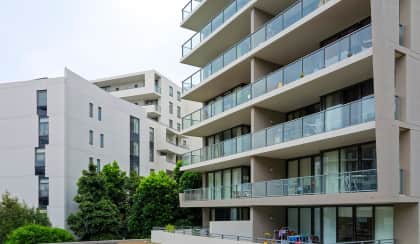
A new report has proposed phasing out commissions for strata managers, replacing the current model with a fee-for-service system.
In a report detailing the findings of a recent review, Productivity commissioner Peter Achterstraat said there had been numerous examples of conflicts of interest as a result of the commission model.
Strata managers are selected by owners’ corporations to manage the day-to-day operations of the apartment building, and can often receive commissions from service providers, such as insurance brokers.
Achterstraat said this raised concerns about whether managers had the right incentives to act in the best interests of owners, particularly where third-party service providers were involved.
According to the report, shifting from commissions to fee-for-service payments would simplify remuneration structures, improve competition and service quality, increase trust, and lower strata costs.
While there were concerns that scrapping commissions would mean higher management fees for owners, the report said these would be offset by reduced premiums and other service costs.
“The positive experiences of strata managers operating on a fee-for-service basis show we can be confident that this change will be sustainable and will enhance competition in the sector,” it said.
The report suggested the state government support the transition by allowing commissions to be phased out over three years.
“This will allow strata managers to adjust pricing and systems without risking their viability or creating unnecessary implementation costs,” it said.
“For owners, the NSW government should roll out education campaigns to explain what to expect and develop standardised template documents for strata managers to facilitate easier communication of the changes.”
According to Macquarie Business Banking’s 2026 Strata Benchmarking Report, 23 per cent of strata businesses charged using an all-inclusive flat fee model, with 15 per cent of this group separating insurance charges from the flat fee.
It also found 24 per cent of businesses charged an insurance fee, as opposed to receiving commissions from insurance, showing a pivot towards increasing transparency in the industry.
Free investor loan check
Better property decisions start with smarter lending.
A free 15-minute finance check for property investors.
What are your lending goals?
Choose a goal to request a callback.
Ready to talk?
Book a 15-minute call →Finni Pty Ltd · Australian Credit Licence 384324 · Privacy
“These firms may be seeing benefits from embedding further, more overt professionalism, accountability and trust in their client relationships,” the report said.
It also said that for businesses that did not collect insurance commission, management fees were often higher, due to the collection of other revenue sources.
“This indicates that these businesses have found a different way of charging for their services,” it concluded.
Want to see more stories from trusted news sources?
Make Smart Property Investment a preferred news source on Google.
Click here to add Smart Property Investment as a preferred news source.