 Login
Login


Developers shift focus to premium apartments amid rising costs
Australia's housing shortage has dominated headlines for years, with governments, developers and industry bodies all searching for ways to increase supply. The problem is that making developments profitable for dense living is facing its own challenges.
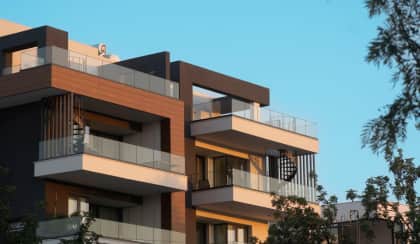
As construction costs continue climbing, more developers are prioritising premium apartment projects in desirable inner-city locations, where higher sale prices can help offset rising expenses. Affordable and mid-market developments are becoming increasingly difficult to deliver, with tighter profit margins making many projects financially unviable.
While luxury developments continue to move forward, the types of homes many Australians need most are becoming harder to build. So, can premium apartments fill this gap? Let’s explore the emerging apartment markets.
Why Rising Costs Are Changing the Development Landscape
Anyone working in property knows that successful projects rely on one simple equation: costs need to be lower than the value of the finished development. That equation has become much harder to balance over the past few years.
According to the Australian Bureau of Statistics, new apartment construction costs rose by more than 18% over the 2024/25 financial year. Apartments are now significantly more expensive to build than detached homes, reflecting the complexity of high-density construction and the increasing cost of labour and materials. It's one reason why modern courses like a Master of Property Development are focusing more and more on project feasibility, risk management and financial modelling.
The pressure doesn't appear to be easing either. Industry forecasts from CBRE suggest construction costs could continue rising strongly before settling into more moderate annual growth later in the decade. For developers, these increases affect almost every stage of a project. Concrete, steel, electrical components, mechanical systems, labour, transport and financing have all become more expensive. When costs rise this quickly, projects that once looked profitable can suddenly become difficult to justify.
Why Premium Apartments Make the Most Financial Sense
While higher costs affect supply across the market, they don't impact every project equally. Luxury apartment developments often have one major advantage: buyers are willing to pay considerably more for exceptional locations, premium finishes and exclusive amenities. Apartments that don't feel like ‘another white box’ are still desirable for many buyers. And that additional revenue gives developers room to breathe and absorb increasing construction costs while maintaining viable profit margins.
Many luxury apartments also appeal to buyers who are less sensitive to interest rate movements or short-term economic uncertainty. Downsizers, established professionals and high-net-worth investors may place greater value on lifestyle, location and long-term capital growth than on finding the lowest possible purchase price. This creates a level of resilience that isn't always available in more affordable market segments. As a result, developers continue backing projects in sought-after inner-city suburbs where the apartment market surges and remains strong.
More Affordable Projects Face a Different Reality
At the other end of the market, the financial picture looks really different. Affordable housing projects generally operate with much tighter margins. Developers have less room to increase prices because their target buyers are often first-home buyers or households working within strict borrowing limits. When construction costs climb, there isn't always enough flexibility to pass those increases directly onto purchasers.
Planning costs, infrastructure contributions, lengthy approval processes and higher borrowing expenses can further squeeze project viability. In some growth areas around Australia, approved apartment developments have reportedly been delayed or abandoned altogether because they no longer make financial sense. This creates an unfortunate cycle. Australia needs more affordable housing, but the projects that would deliver it are becoming increasingly difficult to finance and complete.
Planning Decisions Matter More Than Ever
Along with construction costs, planning regulations are also influencing whether apartment developments proceed. Approval processes that stretch over many months can expose developers to changing interest rates, inflation and material costs before construction even begins. Infrastructure contributions, development levies and compliance requirements all add to the total project budget.
When these expenses are combined with rapidly rising construction costs, they can significantly alter a project's feasibility. This is why planning efficiency has become such an important topic across Australia's property sector. Reducing unnecessary delays can improve certainty for developers while helping bring new housing supply to market sooner.
Demand for Well-Located Apartments Remains Strong
Despite economic uncertainty, one fundamental hasn't changed. Australia continues to experience strong demand for housing, particularly in major capital cities. Population growth, smaller household sizes and ongoing urbanisation continue to place pressure on housing supply. Many buyers are also increasingly attracted to apartment living, particularly in locations that offer walkability, public transport, dining precincts and employment opportunities. Investors in these boutique apartments also know the demand for renters is there, and developers recognise these long-term trends.
Free investor loan check
Better property decisions start with smarter lending.
A free 15-minute finance check for property investors.
What are your lending goals?
Choose a goal to request a callback.
Ready to talk?
Book a 15-minute call →Finni Pty Ltd · Australian Credit Licence 384324 · Privacy
Current market conditions shouldn't be seen as a reason to stop building altogether, and many are focusing on projects where demand is likely to remain strongest over the coming decades. Well-designed apartments in established locations continue to attract buyers seeking convenience, lifestyle and reduced maintenance compared to traditional suburban homes.
The Market Is Becoming More Segmented
An outcome of rising costs is a widening gap between different parts of the apartment market. Premium developments continue moving ahead because stronger pricing supports viable returns, while projects targeting entry-level buyers face increasing financial pressure. This doesn't necessarily mean luxury apartments are replacing affordable housing by choice. In many cases, they're simply the projects that remain economically achievable under current market conditions.
The result is a market where new supply becomes increasingly concentrated in higher-priced developments. For policymakers, this raises important questions about how planning reform, infrastructure investment and housing policy can encourage a broader mix of projects. Without improvements to project feasibility, the gap between housing demand and affordable housing supply may continue to grow.
Key Takeaways
As construction costs rise, developers are increasingly concentrating on premium projects where stronger sale prices help offset growing expenses. Lower-cost apartment developments face mounting financial challenges that make many projects harder to deliver, resulting in a different mix of apartments entering the market.
For investors, first home buyers, developers and industry professionals, understanding these shifting dynamics is becoming increasingly important to continually deliver supply while keeping the industry profitable. While construction costs will eventually stabilise, the broader challenge for Australia to deliver enough housing as well as the right types of housing to meet the needs of a growing population remains something that needs collective effort.
Want to see more stories from trusted news sources?
Make Smart Property Investment a preferred news source on Google.
Click here to add Smart Property Investment as a preferred news source.