 Login


More than convenience
The appeal of neighbourhood retail has always been fairly simple. People need groceries regardless of what the economy is doing. They might pop down to the shop for milk, bread or forgotten ingredients and, for the most part, those quick trips can’t be replaced by shopping online.

Another convenience that fits naturally alongside neighbourhood retail is healthcare. GPs, pharmacies, pathology providers, physiotherapists and other health services share many of the same characteristics that make convenience retail attractive. People use them because they need them, not necessarily because they feel confident about spending.
Put the two together and you can create a centre that is more useful to the local community, one that improves performance, and is potentially more resilient for investors.
Two everyday needs in one place
At a practical level, supermarkets and healthcare providers are both serving the everyday needs of their local communities. That becomes particularly valuable when household budgets are under pressure because demand is generally less reliant on discretionary spending.
The scale of healthcare demand is significant. Australian healthcare expenditure reached $290.7 billion in 2024–25, equivalent to around 10.5 per cent of the economy. Spending grew by 3.4 per cent in real terms during the year, while primary healthcare expenditure alone reached $93 billion. Convenience retail has shown similar resilience, with grocery expenditure continuing to grow even when consumer sentiment has weakened.
For investors, bringing those two sources of recurring, needs-based demand together can create a compelling mix.
Research by Urbis found that average spending per centre visit increased from $104 to $123 when the trip included a health and wellness transaction, an uplift of around 18 per cent. Those customers also spent more at supermarkets, pharmacies and service businesses.
It’s not hard to understand why. Someone visits their GP and stops at the pharmacy afterwards, then picks up groceries while they are already there. A person attending the physio grabs a coffee on the way out. A parent takes their child to an appointment and uses the opportunity to do the grocery shopping.
Rather than asking people to make another trip, the centre simply gives them more reasons to use a trip they were already making.
Healthcare can also bring activity into a centre at times when retail trade may traditionally be quieter. According to the Urbis research, 46 per cent of health and wellness expenditure occurs between 8 am and 1 pm, compared with 33 per cent of broader retail spending.
Pathology is an obvious example, with patients often attending early in the morning. GP clinics remain active throughout weekdays, physiotherapists can operate early and late, and gyms can bring people in before many retailers have opened and after they have closed.
That can help a centre stay active across more of the day, rather than relying heavily on the traditional peaks in retail traffic.
It works best when the mix is deliberate
The real opportunity is not simply adding a medical tenant wherever there happens to be space. It is thinking about which businesses genuinely work well together.
A GP clinic can support pathology, pharmacy, physiotherapy, radiology, psychology and specialist services. A gym pairs naturally with physiotherapy. Childcare can work alongside children’s dental or psychology services. Then there are the less obvious benefits, such as someone buying a coffee while waiting for a family member or picking up groceries before heading home.
When those uses are chosen carefully, each tenancy has the potential to support activity elsewhere in the centre.
A different kind of tenant
Healthcare can also change the income profile of a centre. Medical fit-outs can be expensive and practices are not always easy to relocate. As a result, healthcare operators often favour longer leases with options, which can bring a different level of stability to parts of a centre traditionally occupied by specialty retailers.
Combined with recurring customer demand and lower reliance on discretionary spending, that can give healthcare tenants some of the qualities investors typically value in larger anchor tenants, albeit on a smaller scale.
More than a shopping centre
Perhaps the bigger shift is in how we think about neighbourhood centres in the first place.
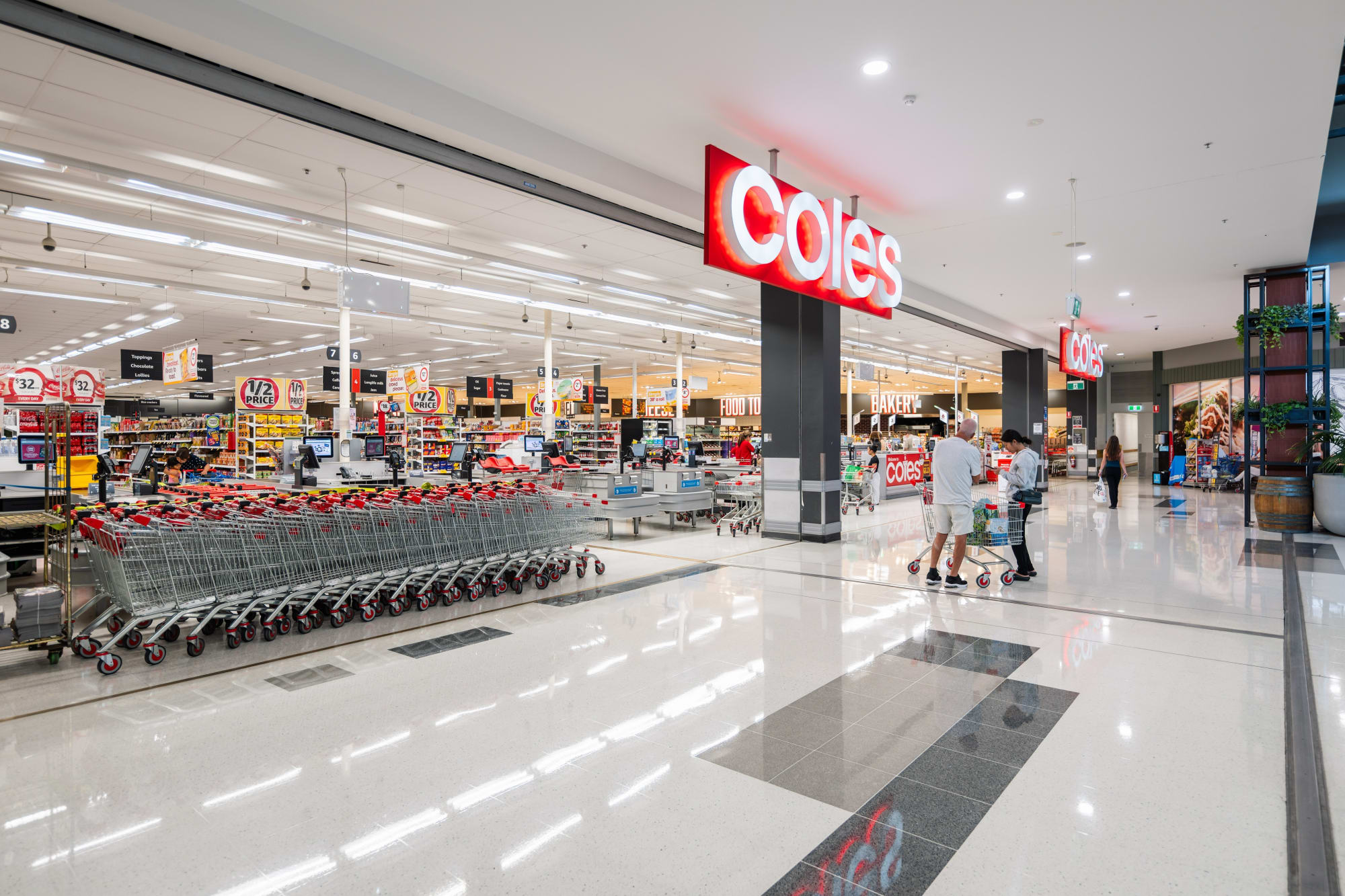
Increasingly, the strongest centres are not simply places where people shop. They are local hubs where someone can tick off non-discretionary tasks such as buying groceries, seeing their GP, filling a prescription, attending a physio appointment and more in one trip.
That matters because convenience is not just about being close to home. It is also about making better use of people’s time.
For owners, the same model can mean more reasons to visit, more opportunities for customers to use multiple businesses, a broader tenant mix and potentially more durable income.
The best neighbourhood centres have always worked because they are close to where people live and give them easy access to the things they regularly need. Healthcare fits naturally into that equation.
Bringing the two together is less about turning a shopping centre into a medical precinct and more about recognising how people actually live. If they can take care of more of their everyday needs in one convenient location, there is a good reason for them to keep coming back.
The opportunity
The Westbridge Aspley Property Fund is acquiring a Coles-anchored shopping centre serving an established middle-ring Brisbane suburb. It is being purchased around 50% below estimated replacement cost with a target to grow income and add value.
The Fund is targeting distributions of 7.25% p.a. paid monthly and a target Internal Rate of Return of 14%+.
The centre comprises 11,429sqm of lettable area across more than 40 tenancies; a busy ground floor shopping centre complemented by the first floor medical and allied health precinct, and a 150-place childcare centre on a separate site to the rear.
Being purchased at an 8.01% yield, with a solid income base and a strong re-leasing opportunity, Robinson Road is the highest yield of 12 comparable metro Queensland sales (under $100m) since 2024. Westbridge plans to add value through active management, focusing on rental growth, medical suite reconfiguration and driving leasing by improving tenancy mix, leveraging our medical investment expertise to create a full line retail and medical precinct offering.
Review the opportunity here: https://westbridgefunds.com.au/portfolio/westbridge-aspley-property-fund?utm_source=SPI&utm_medium=article&utm_campaign=aspley&utm_content=native