Login
Login
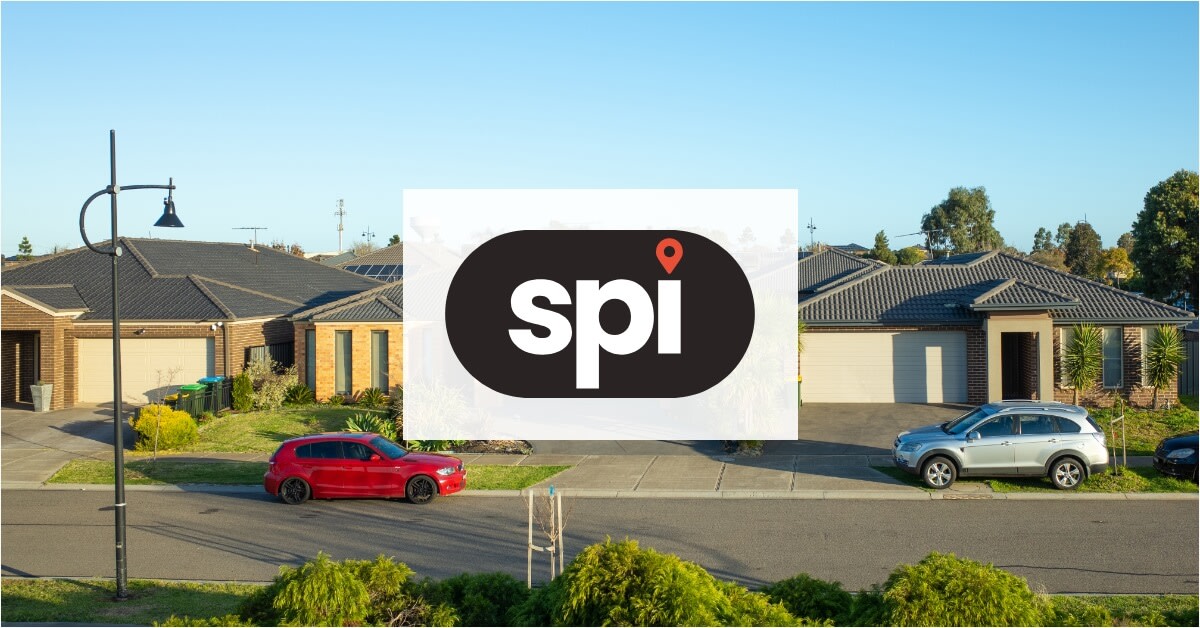

How big a home do you need?
Australians’ love affair with big homes could be coming back to bite them, in the form of intolerably large mortgages.

There’s not much more the average Aussie wants than a nice big home and backyard. You only need to take a look at the typical Australian town or city suburbs to see what I mean.
But are Australian home buyers biting off more than they can chew? According to some property developers, this infatuation with big housing is creating a crisis for home availability, and affordability.
According to a report in the Sydney Morning Herald today, Australian houses have become the largest in the world.
Matthew Quinn, managing director of home building firm Stockland, told attendees at the Urban Development Institute conference yesterday, that Australian homes provide an average of 83 square metres per person, the daily reported. This is ahead of the US average of 78 square metres and way above the Japanese and British averages of just 33 and 32 square metres.
Because of this, Australian homebuyers are spending a lot more of their incomes servicing a mortgage – and sometimes far more than is comfortable, Mr Quinn said.
Whether it’s because of the size, or the location, when it comes to purchasing a first property, first time buyers should keep in mind what impact their mortgage will have on their lifestyle.
Is it really worth having a four bedroom palace if it means you’re up to your eyeballs in debt?
Don’t make the mistake of over-burdening yourself with debt. Many first time buyers find it pays to start a bit smaller with their first property purchase. Your mortgage repayments will be more manageable but you’ll still be building up equity with which you should be able to fund a bigger purchase down the track. At the same time, you’ll still have a bit of money to enjoy life while you’re still young.
It’s also important to make your own assessment of your loan serviceability – don’t necessarily borrow the maximum amount a lender tells you you’re eligible for. Think of the impact loan repayments are going to have on your day-to-day living and borrow accordingly.
A good idea is a ‘try before you buy’. Work out what income you would have left if you were managing a certain size home loan and start living by it. If you can comfortably keep to budget, that’s great, but if you can’t, re-evaluate your budget and reassess your buying options.
Want to see more stories from trusted news sources?
Make Smart Property Investment a preferred news source on Google.
Click here to add Smart Property Investment as a preferred news source.
Free investor loan check
Better property decisions start with smarter lending.
A free 15-minute finance check for property investors.
What are your lending goals?
Choose a goal to request a callback.
Ready to talk?
Book a 15-minute call →Finni Pty Ltd · Australian Credit Licence 384324 · Privacy