 Login
Login



RBA rate call: What happens next for property?
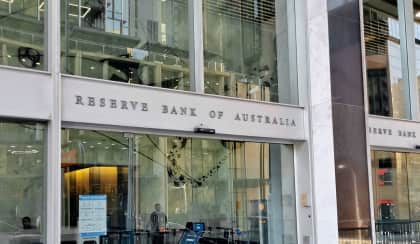
At its fifth meeting of the year, the RBA has announced its cash rate decision, with higher living costs and tax changes weighing on buyer demand, borrowing capacity, and property price growth.
At its fifth meeting of the year, the RBA has announced its cash rate decision, with higher living costs and tax changes weighing on buyer demand, borrowing capacity, and property price growth.
For the second time this year, the Reserve Bank of Australia (RBA) kept the cash rate at 4.35 per cent, providing Australians with sustained relief amid mortgage stress, reduced borrowing powers, and high cost of living.
The RBA’s decision to keep the cash rate unchanged was expected, as major banks and economists had predicted a hold following the latest consumer price index (CPI) data and global economic factors.
REA Group senior economist Angus Moore said the hold followed better-than-expected June-quarter inflation, giving the RBA some comfort that inflation had not picked up as sharply as feared.
In June, the CPI rose 3.8 per cent, slightly lower than the headline inflation of 4.0 per cent in May and 4.2 per cent in April.
The results were much lower than the 4.8 per cent inflation rate prediction from the RBA’s statement of monetary policy back in May 2026.
The RBA’s preferred measure of inflation, the trimmed mean, remained steady at 3.6 per cent.
According to PRD chief economist Dr Diaswati Mardiasmo, the August RBA decision was a crucial one for the economy, with the cash rate having remained in “equilibrium” after three cuts in 2025 and another three in 2026.
“Any changes in this equilibrium, for example a cash rate hike, would really bring us to another cycle in our economy – one that is much tighter than now and with an even higher cost of living,” Mardiasmo told SPI.
For buyers, Mardiasmo said the rate hold signals greater stability and a potential return to normal conditions, creating an opportunity to enter the market before any future hikes reduce borrowing power or cuts in 2027 drive up competition.
Similarly, she said that the hold will support investors’ opportunities while improving the financial viability of existing assets, encouraging them to hold rather than sell.
“For sellers, a cash rate hold should improve buyer sentiment, thus a good time to put your property on the market, especially targeting the more serious buyers who are looking to make gains or take advantage of the market.”
“For agents, now is the time to capitalise on the word stability, especially as we are entering the spring market.”
Free investor loan check
Better property decisions start with smarter lending.
A free 15-minute finance check for property investors.
What are your lending goals?
Choose a goal to request a callback.
Ready to talk?
Book a 15-minute call →Finni Pty Ltd · Australian Credit Licence 384324 · Privacy
Currently, while all four major banks have forecasted the official cash rate to remain at 4.35 per cent for the next 12 months, with a first cut in August 2027, underlying inflation remained above the 2–3 per cent target.
Moore said that there still was a chance that we could see another rate hike later this year.
“Going into the meeting, markets were putting the chance of another rate hike late this year, or early next year, at roughly 50/50,” he said.
“But whether we see another hike will really depend on where inflation goes from here and whether the better-than-expected outcomes persist.”
Across the nation, Moore said that home prices and housing market conditions were expected to remain soft over the back half of this year, as the effect of the three hikes earlier in the year and the tax changes in the budget continue to flow through.
“But we’re likely to see a turning point late this year or early next, as the cash rate stabilises and the uncertainty from the budget washes out.”
Want to see more stories from trusted news sources?
Make Smart Property Investment a preferred news source on Google.
Click here to add Smart Property Investment as a preferred news source.

