 Login
Login



Small Lighting Fixes That Makes Properties Feel High-End
Key Highlights:
- Lighting directly affects how buyers perceive space, warmth and value
- Overhead-only lighting and mismatched tones are common mistakes in investment properties
- Strategic upgrades like layered lighting and tone consistency improve presentation
- Key areas like kitchens, bathrooms and entryways offer the highest impact per dollar

You’ve renovated the kitchen. Fresh paint, new flooring, good layout. The open home gets interest, but not offers. Agents say buyers “weren’t feeling it.” The feedback? Too dark. A bit cold. Not what they expected from the listing photos.
Lighting rarely makes the budget spreadsheet in a renovation — but it’s one of the first things that shapes how a space feels. And when it’s off, even a well-finished property can come across as underwhelming.
For investors, that’s more than just an aesthetic miss. It’s a real hit to perceived value. The right lighting can make a space feel larger, warmer, newer — even more expensive. And fixing it doesn’t require major rewiring or designer fittings. It just takes knowing where to look, and what actually makes a difference during inspections.
WHY LIGHTING MATTERS MORE THAN MOST INVESTORS REALISE
Buyers rarely walk through a property thinking, “The lighting is wrong.” But they’ll say it feels small, cold, or hard to picture themselves in. That’s lighting doing its quiet damage.
In the world of investment properties, value isn’t just about square metreage or finishes — it’s about perception. And lighting plays a huge role in that perception. Harsh glare from a single ceiling fixture can make a room feel clinical. Dim corners can make even spacious layouts seem cramped. Inconsistent tones between rooms create a subconscious sense of disconnection.
Natural light sells, but it’s unreliable. Open homes don’t always fall on bright days, and apartments or older homes don’t always have ideal window placement. That’s where artificial lighting takes over — and too often, it’s a missed opportunity.
Strategic lighting makes a space feel considered. It creates mood, defines zones, and shows the property at its best no matter the time of day. And for buyers walking through quickly and deciding emotionally, that’s the difference between remembering a space — and writing it off.
COMMON LIGHTING MISTAKES IN INVESTMENT PROPERTIES
The problem isn’t that lighting gets ignored — it’s that it gets treated as an afterthought. A line item to tick off at the end of a renovation. But rushed decisions here are often what make a property feel unpolished, no matter how much has been spent elsewhere.
The most common mistake? Relying entirely on overhead lighting. A single central fixture might meet code, but it rarely creates the kind of atmosphere buyers respond to. It flattens the room, casts shadows in the corners, and makes everything feel a little harsher than it needs to.
Then there’s tone. Mixing warm white and cool white lighting across different rooms — or even within the same space — creates a jarring, disjointed feel. It makes the renovation look pieced together, even if it isn’t.
Under-lit kitchens and bathrooms are another frequent issue. These are key value rooms, and if buyers can’t see detail — or worse, feel like they’re in a dim, echoey box — it leaves a lasting impression.
And finally, the fittings themselves. Cheap, basic fixtures can drag down an otherwise well-finished property. Even something as simple as a poorly chosen oyster light can make the ceiling feel lower and the design feel dated. These aren't big mistakes — but they’re noticeable, and they add up.
FIXING IT WITHOUT BLOWING THE RENOVATION BUDGET
Good lighting design doesn’t have to mean expensive fittings or custom installs. For investors, the goal is clarity, consistency and warmth — not complexity. In most cases, lighting mistakes can be fixed with small, strategic upgrades that have a big impact on how a space presents.
Start by layering. Instead of relying on one source of light per room, combine ambient (general lighting), task (focused light for work areas), and accent (for depth and warmth). Even small additions like a wall sconce in the hallway or a pendant over the island bench can shift the tone of the whole space.
Stick to one light temperature across the property — warm white in living areas and bedrooms, neutral white in kitchens and bathrooms. This keeps the space feeling cohesive and intentional, even if the fittings themselves are simple.
For investors working within a tight margin, sourcing lighting online can make a real difference. It opens up access to modern, design-conscious fittings at price points well below retail — particularly when buying in bulk across multiple properties. Just make sure to factor in quality, installation requirements, and lead times when ordering.
The key is consistency. Every lighting choice, no matter how small, should serve the goal of making the property feel more inviting, usable and high-value.
WHERE LIGHTING ADDS THE MOST VALUE
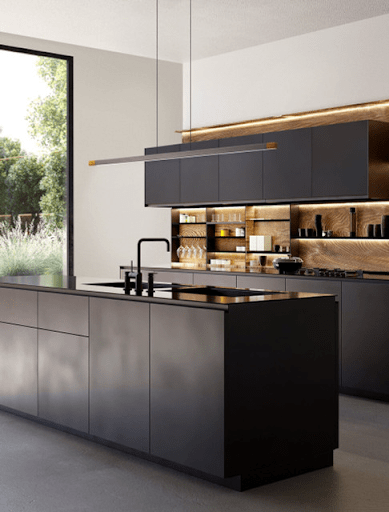
Not every room needs a designer light fitting, but there are a few spaces where the right lighting can change how the entire property is perceived — especially during inspections.
Kitchens benefit hugely from layered lighting. Overhead downlights are useful, but without task lighting — like under-cabinet strips or pendants over an island — the space can feel sterile. Good lighting here makes the area feel functional and modern, which buyers notice immediately.
Bathrooms are another high-impact zone. A single overhead light often casts shadows on the face and makes the room feel cold. Adding soft, even vanity lighting not only improves function but helps the space feel higher-end. It’s a detail that signals quality, even if the rest of the fit-out is budget-conscious.
Living areas are where atmosphere matters most. Avoid relying entirely on overhead lights. Floor lamps, wall sconces or dimmable lighting help create a more relaxed feel — something buyers associate with livability.
Hallways and entryways set the tone from the moment someone steps inside. A well-lit entrance feels safe, clean and welcoming. It also helps eliminate the awkward “dark corner” feeling that turns people off before they’ve even looked around.
These small shifts don’t require major investment. But they do create the impression that a property is well thought out — and that impression carries real value.
CONCLUSION
Lighting might not be the first thing on an investor’s checklist, but it’s often the detail that makes the difference at sale time. It affects how big a room feels, how warm it seems, and how much thought the renovation appears to reflect. In a competitive market, buyers aren’t just looking at layout and location — they’re responding to how a space feels.
Well-lit properties feel newer. More valuable. Easier to imagine living in. And getting there doesn’t require designer budgets — just a bit of planning, consistency, and smart sourcing.
If you're renovating with resale in mind, treat lighting like part of the core investment — not just an afterthought. The return is in how quickly buyers walk through the front door and say, “This feels right.”