 Login
Login



Yields tighten as value growth outpaces rents
In 2025, investors in unit markets saw yields rise faster, while soaring values over the past five years have tightened rental returns for freestanding properties.
According to the latest data from Cotality’s Rental Value Index, rents have grown by 1.3 per cent in the final quarter of 2025, bringing the total yearly rise to 5.2 per cent.
The 2025 rent increase was higher than the 2024 growth of 4.8 per cent, but still below the rates recorded between 2021 and 2023, when rents rose by more than 8 per cent annually.
The data found that over the past five years, rents have increased by approximately 42.9 per cent, adding more than $200 per week to the median national rental value.
In contrast, the five years before 2021 saw rents rise by just 7.5 per cent, or approximately $33 a week.
While Perth properties experienced the highest rent increases over the past five years, with houses climbing 58.7 per cent and units up 66.2 per cent, Darwin recorded the top rental growth in 2025.
Over the last 12 months, Darwin established itself as the leading capital for rent and home value increase, with average rent increasing by 8.2 per cent, equating to a $52 per week increase.
Sydney remained the most expensive capital for renters, with the median rent rising 5.3 per cent over the past year to $817 per week.
At the other end of the spectrum, Hobart was the most affordable capital, with a median weekly rent of $601, despite experiencing the second-highest rental growth rate nationally.
Data showed that Melbourne recorded a 2.9 per cent rise in rents, the smallest annual rise among the capitals, making it the second-most affordable capital, with a median weekly rent of $624.
In 2025, Regional markets' rental growth continued to outpace capital cities across all dwelling types, rising 6.2 per cent compared to 4.8 per cent.
Units outpacing houses
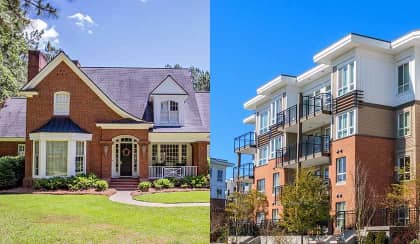
While house prices have risen by 52.6 per cent over the past five years, the surge outpaced rental growth, reducing investors’ yields to 3.56 per cent, the lowest level since 2022.
In 2025, unit rental growth overtook house rental growth nationwide, rising by 5.5 per cent since May, compared with 5.1 per cent.
Free investor loan check
Better property decisions start with smarter lending.
A free 15-minute finance check for property investors.
What are your lending goals?
Choose a goal to request a callback.
Ready to talk?
Book a 15-minute call →Finni Pty Ltd · Australian Credit Licence 384324 · Privacy
Data showed that yields on units continued to command a premium over those on houses, particularly in capital cities, recording a 134-basis-point advantage over their counterparts.
Across the country, Hobart recorded the largest apartment rental increase in 2025, rising by 9.3 per cent, with a weekly value increase of $45.
Darwin followed closely behind with a 9.2 per cent growth, while Adelaide experienced the lowest rental growth of all of the capitals in its unit market, increasing by just 2.4 per cent over 2025.
Additionally, vacancy rates were lower across regional Australia, at 1.7 per cent, compared with 1.8 per cent in the combined capitals.
The report said low supply had remained a key driver of rental price growth, with the number of rental listings nationwide 11 per cent lower than in December 2024 and 17 per cent below the five-year average.
As rents continue to increase, Cotality said that renters will feel the pinch, with households dedicating a record-high 33.4 per cent of their pre-tax income to rent.
Want to see more stories from trusted news sources?
Make Smart Property Investment a preferred news source on Google.
Click here to add Smart Property Investment as a preferred news source.